CraftYourMap — personalized cartographic art store
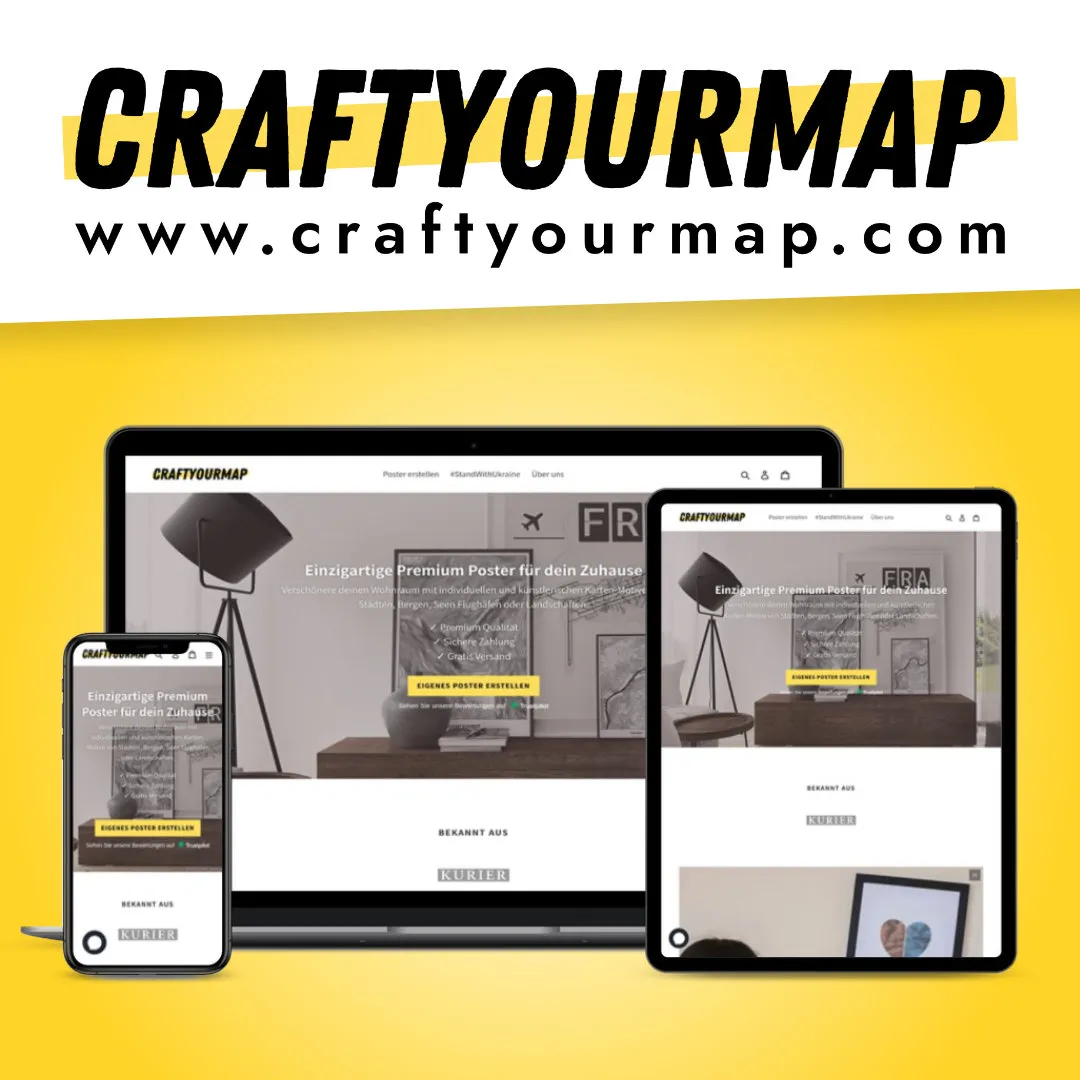
Online configurator and e-commerce store where customers personalize contour-line artwork based on topographic maps and order custom posters.
Origin
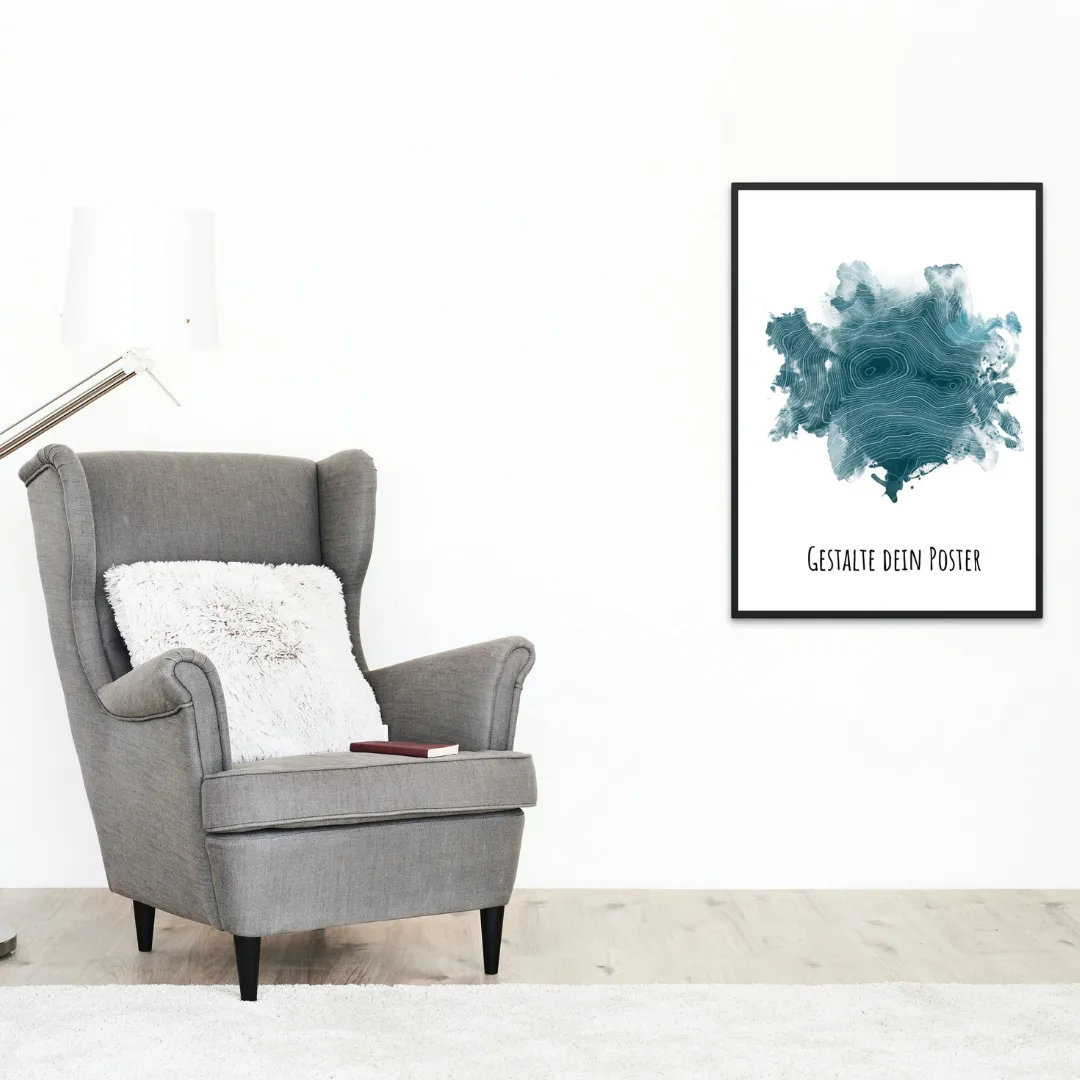
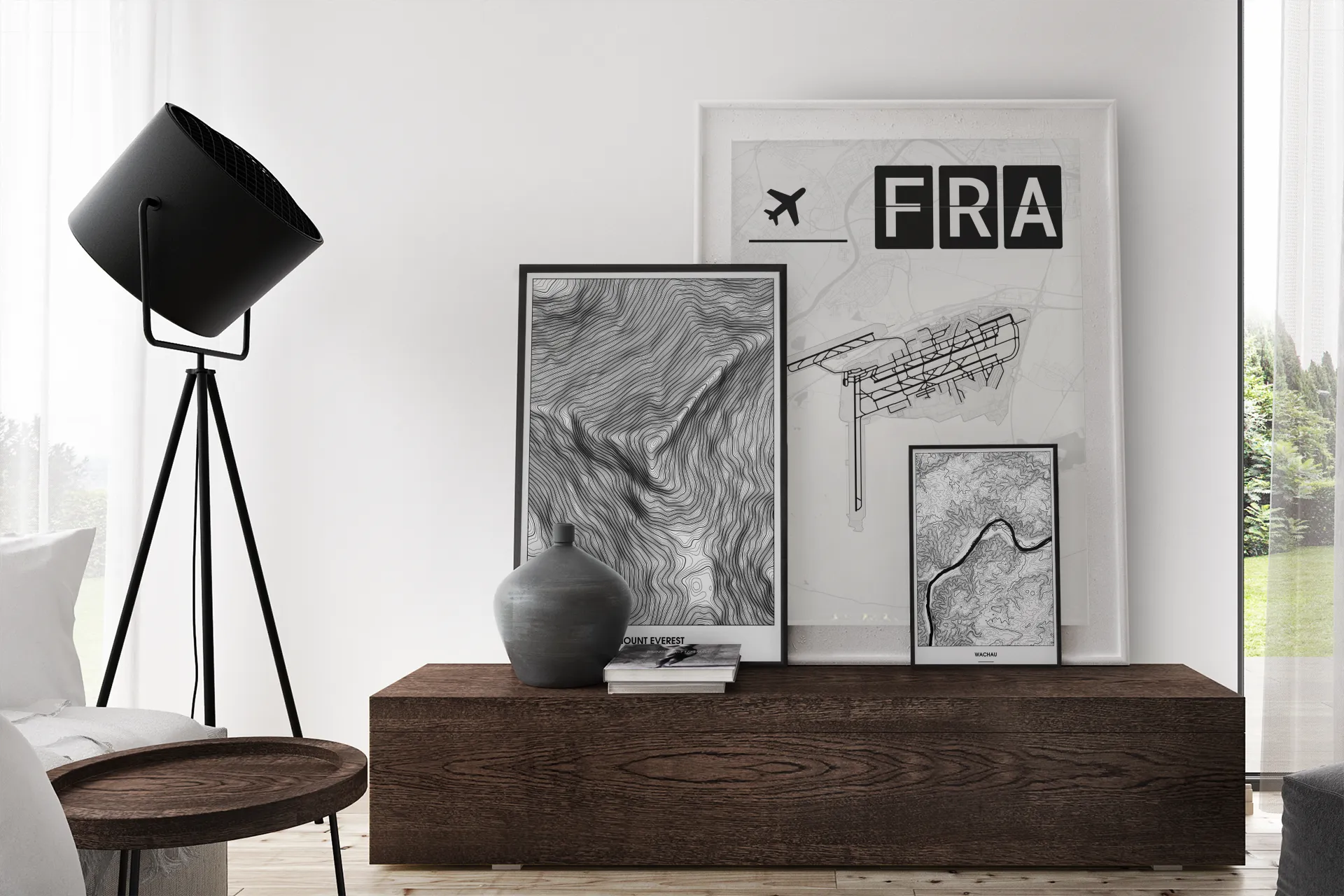
The concept started on a hiking trip, inspired by the abstract forms in topographic map features. Early prototypes used contour lines from outdoor maps; the response was strong enough to launch an online store.
My role
CraftYourMap is my own venture rather than client work. I contributed major parts of it: the Shopify storefront, the maps and 3D renderings, and the internal tooling behind the designs. SEO and partnerships were worked on together with others.
What was built
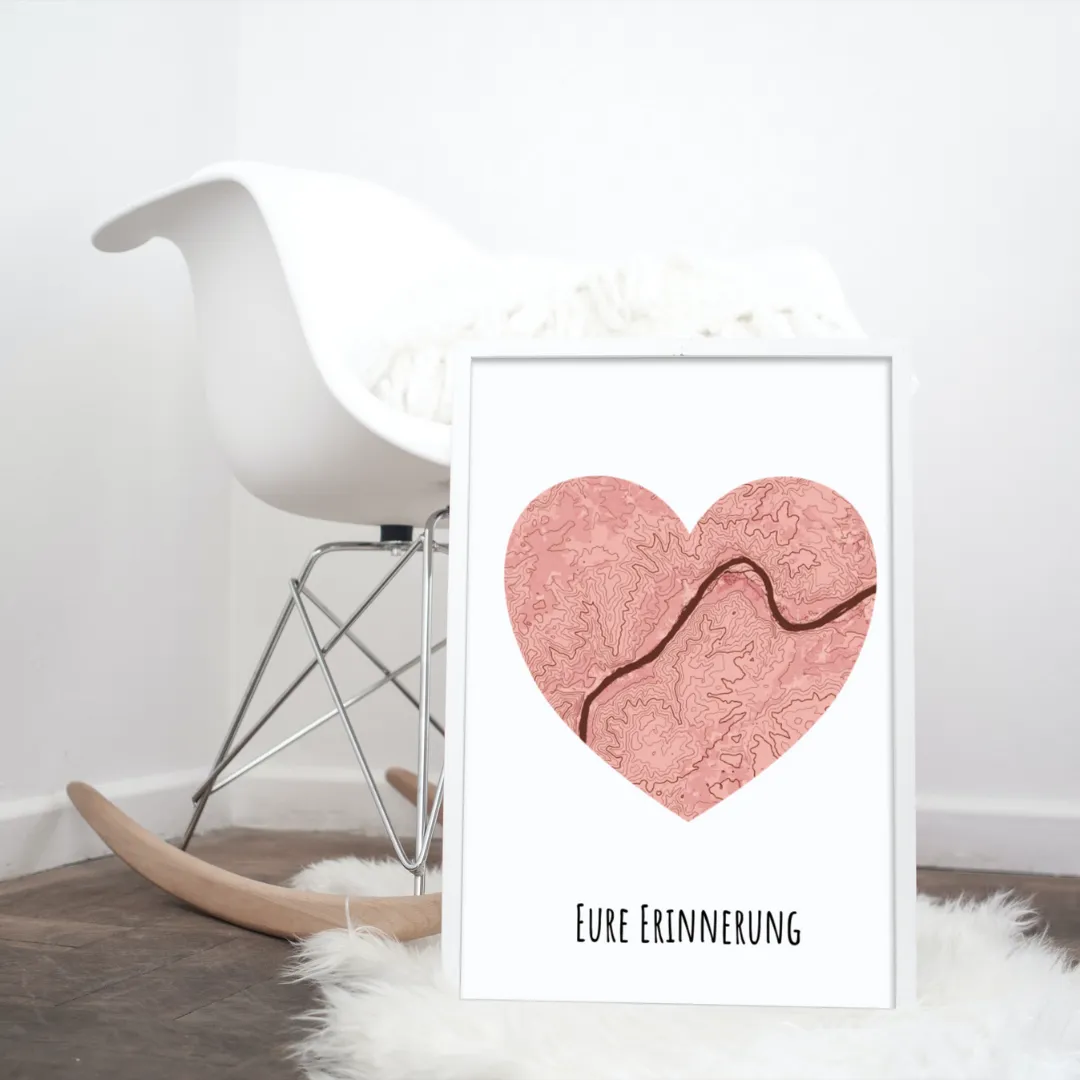
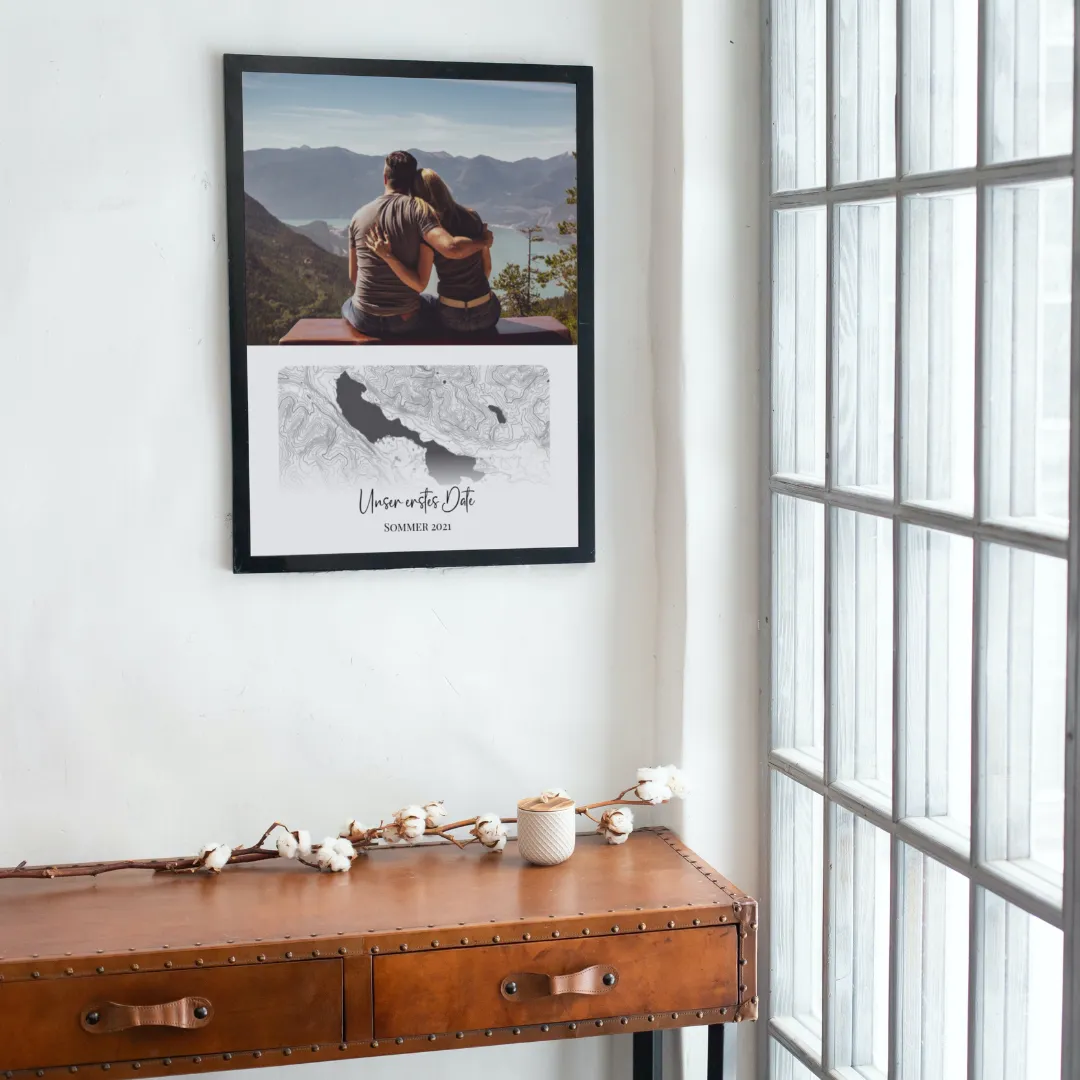
Personalized poster configurator
An online configurator lets customers personalize designs and order the result as a poster: pick a location, choose a style, review, and check out.
Atlas Art collection
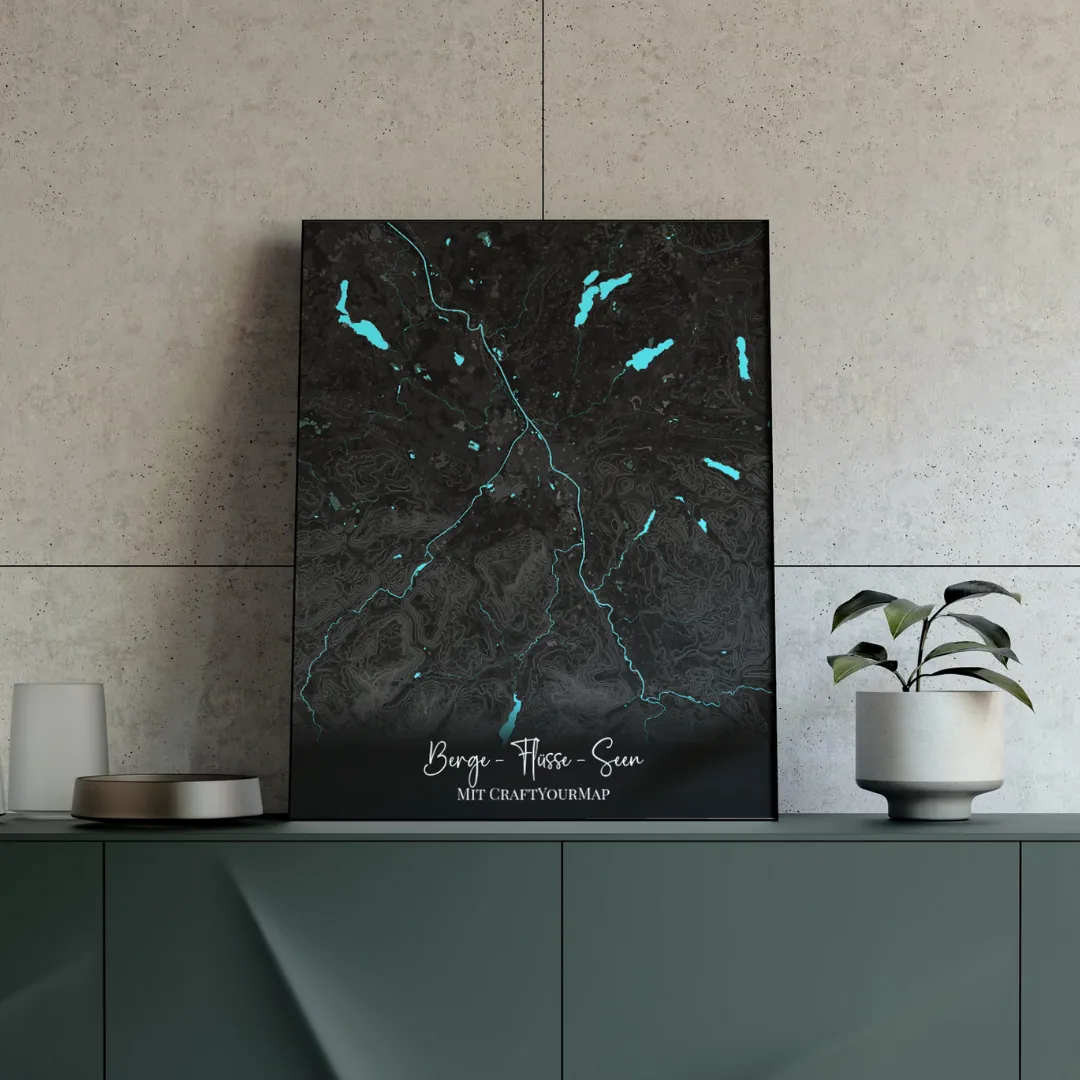
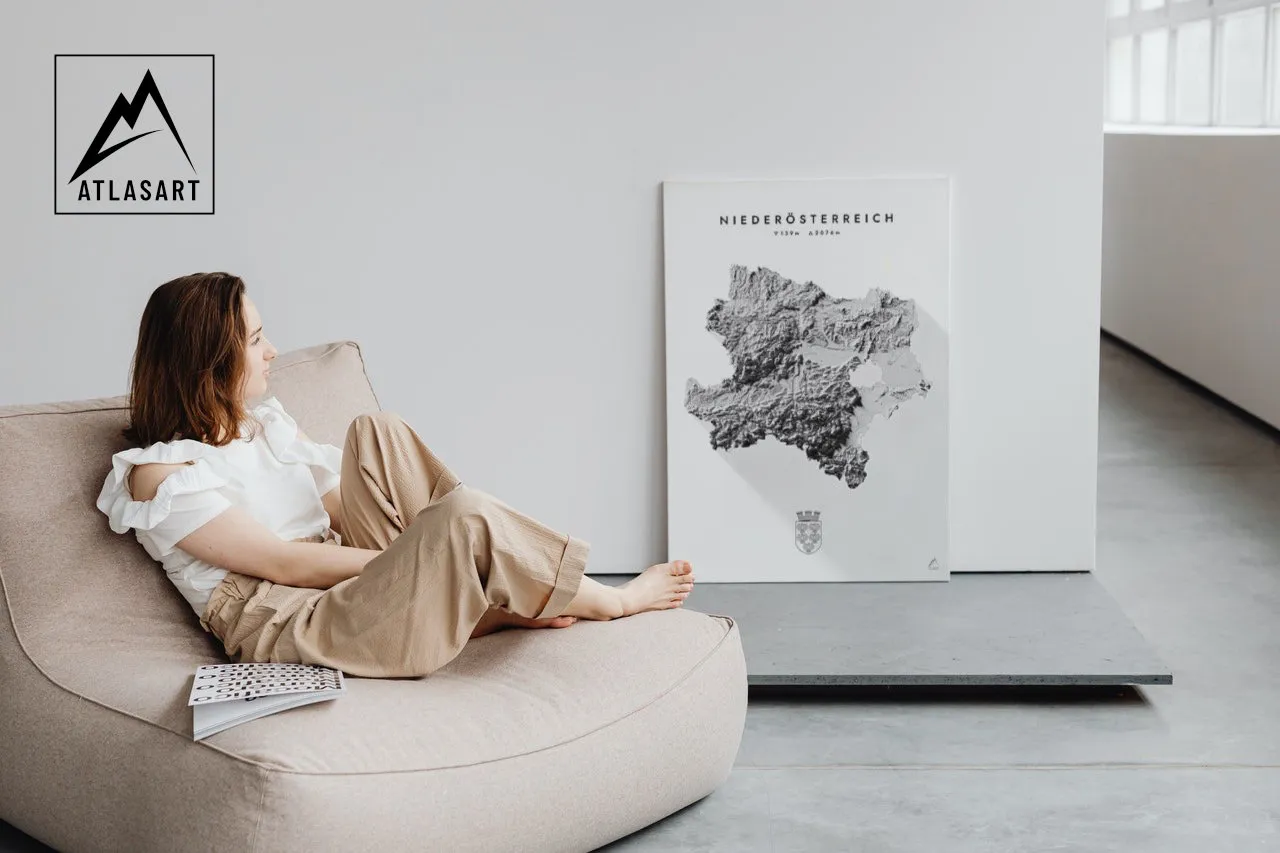
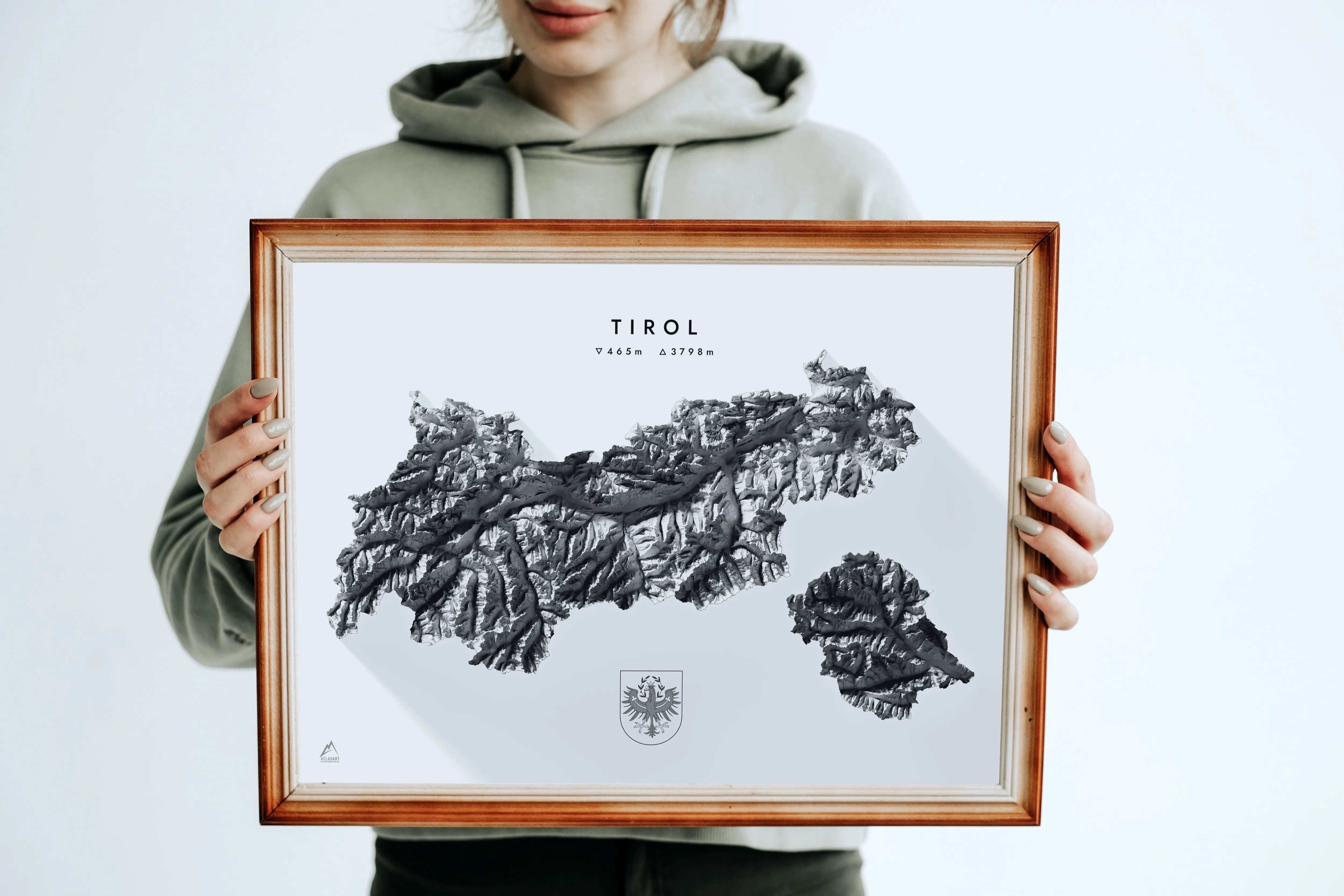
Alongside the configurator, the shop offers the Atlas Art collection: fine-art prints of 3D relief visualization rendered from open digital elevation models. The collection delivers fine-grained 3D relief profiles produced by a dedicated rendering pipeline.
Process
Producing every design by hand was never realistic, so the work went into tooling rather than into individual designs. Internal tools batch-produce designs directly from digital elevation models, including the 3D relief renders behind the Atlas Art collection. Adding a region or a new styling becomes a run of the pipeline rather than a manual design job.
Challenges
Getting print resolution out of elevation data. Open digital elevation models are sampled for analysis, not for a large-format print viewed from arm's length. Taking them straight to a poster shows the sampling grid, so the pipeline interpolates and smooths the data to close the gap between what the source carries and what a print needs.
One region becomes many print files. Every design exists in several stylings and several print sizes, so adding a location multiplies into a large set of print-ready outputs. The work was in generating, naming, and keeping that set consistent as styles changed, not in anything the storefront does at request time.
Impact
The shop earned strong customer feedback. It was featured in the Austrian daily Kurier and nominated for the Creative Business Award 2022.